Handheld data terminals
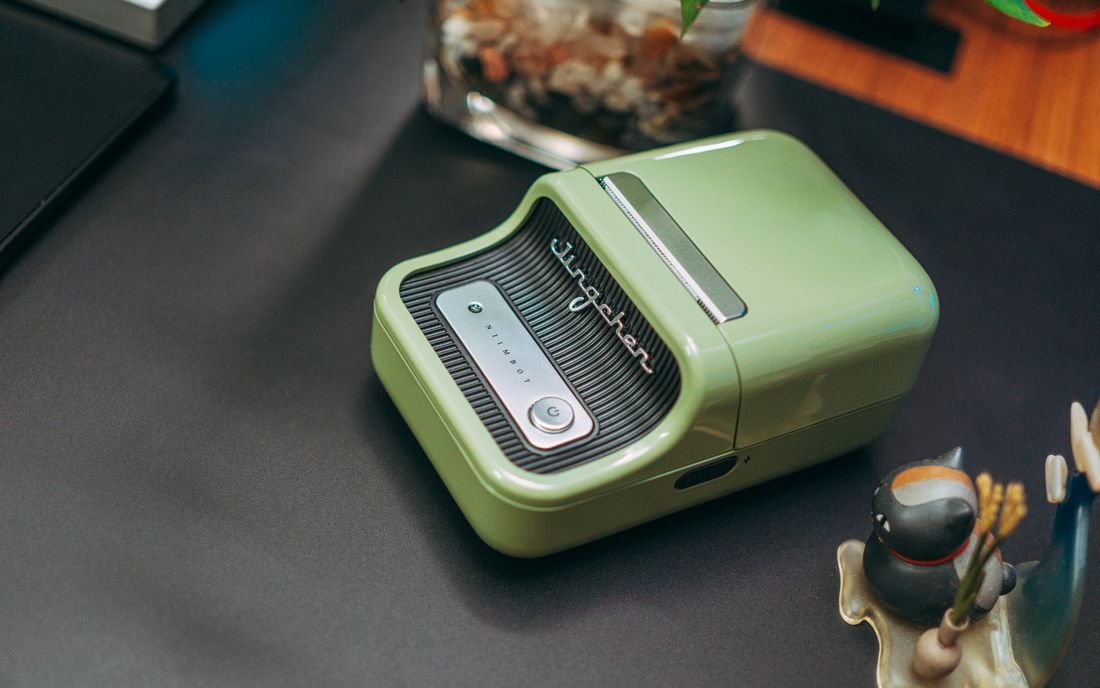
They read barcodes and send the results straight to a shared database.
Stock control · Audits · Labelling
Our team counts your warehouse with barcode scanners and sets up proper stock control. You see exactly where shortages happen — and your staff stay focused on their work.
Warning signs
The balance in 1C or Excel differs from the actual quantity in the warehouse, but the reason is unknown.
Every count reveals a new shortage, but who is responsible and when stays unclear.
No one knows exactly where fixed assets are or whether they still work.
Barcodes won't scan, and item locations on the shelves keep changing.
Why SkladKontrol
Even large volumes are counted quickly: the team splits into zones and works in parallel.
Every item goes through a scanner and discrepancies are recounted — no manual note-taking errors.
We sign a contract and an NDA; your data is never shared with third parties.
Services
Scanning and counting stock in warehouses, shops and outlets, then reconciling it with your records.
RequestChecking receiving, storage and shipping and finding where losses happen.
RequestRecording equipment and machinery and tagging them with asset numbers.
RequestProducing and applying barcode and QR labels for goods and racks.
RequestCounting section by section on a schedule, without closing the warehouse.
RequestWe count at night or at weekends so that sales and shipping never stop.
RequestProcess
Equipment
We bring all the counting equipment ourselves. All we need from you is the warehouse and the data from your accounting system.
They read barcodes and send the results straight to a shared database.
They print barcode and QR labels on site.
Laptops and a network, so count results are reconciled immediately.
The team wears clothing that meets warehouse safety requirements.
Calculator
Price estimate
from 12 mln UZS
Get a precise quoteThis estimate is for reference only and is not a public offer.
Industries
Clients
Companies that trust us with their warehouses.






News
Useful reads on warehouses, stock counts and audits.
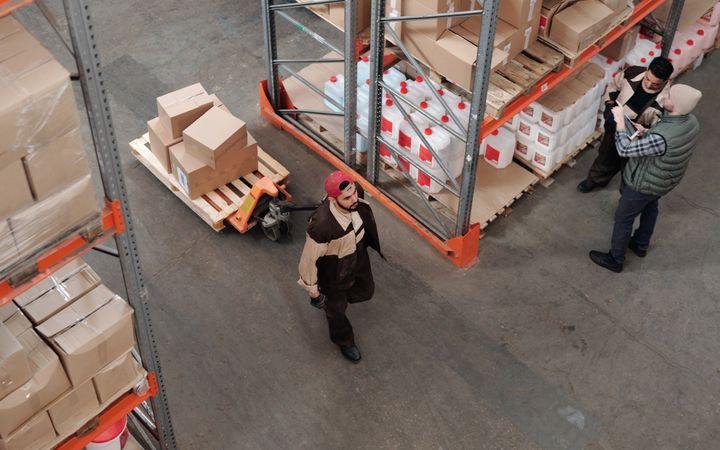
 What warehouse control means: the key metricsWarehouse control means always knowing where the goods are, how many there are and how fast they move; unlike cameras and a yearly count, it works before a problem.
 Receiving goods: five stagesReceiving goods at a warehouse in five stages: visual check, documents, count, quality and putaway. A receiving mistake costs the most later, so the order must be strict.
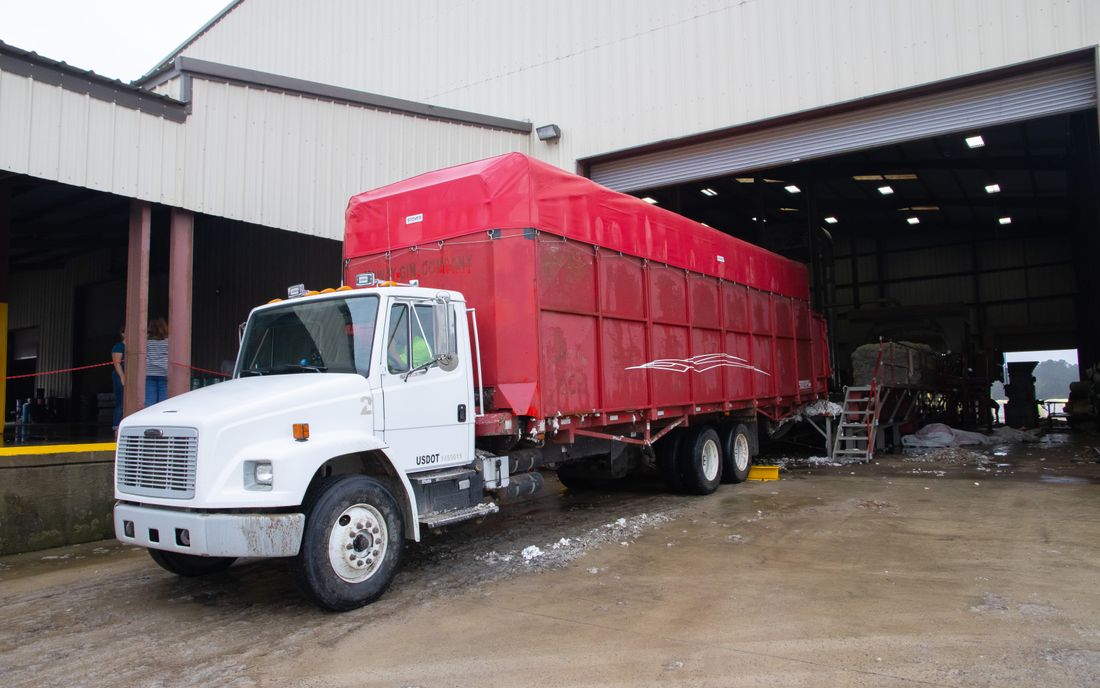 Truck seals and trailer inspectionIf the seal number does not match the note or the seal is broken, stop before opening the doors, take photos and draw up a report.
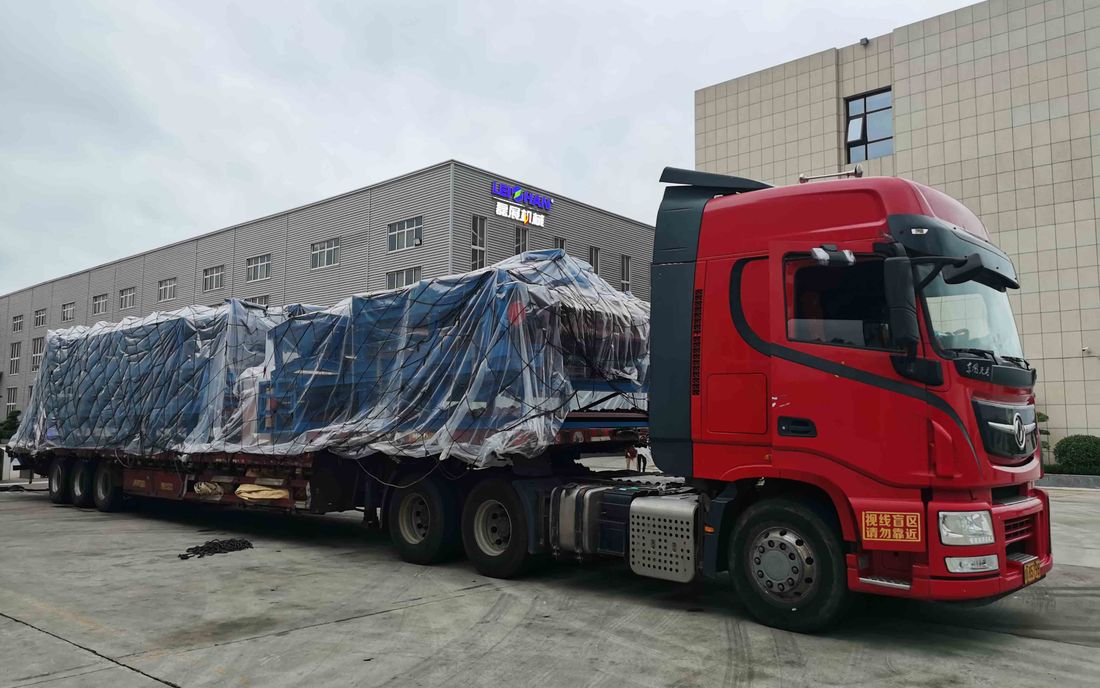 Checking the supplier's delivery noteChecking a supplier's delivery note: name, quantity, batch and date must match the real goods. After signing, a discrepancy is hard to prove and often impossible.
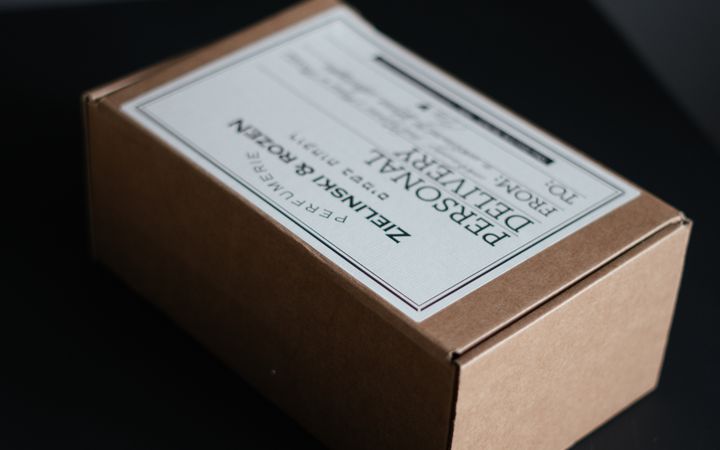 Recording damaged goods at receivingRecording damaged goods at receiving: photograph them, set them apart and write a report at once. If you sign without a note, the loss passes to the warehouse.
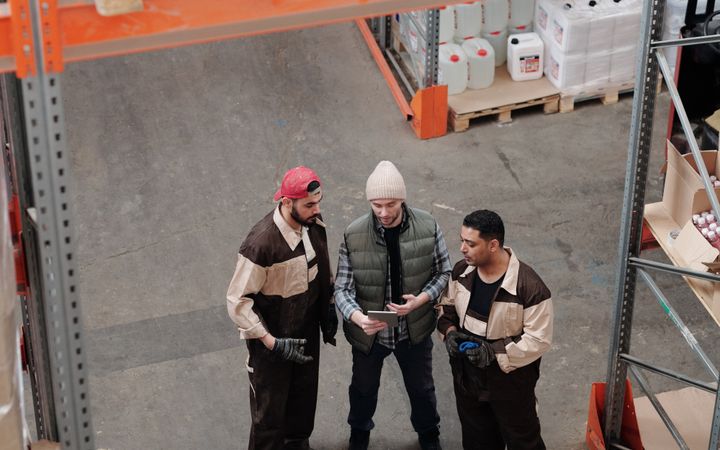 Organising the dock and loading areaOrganising the warehouse dock and loading area: with separate spots for receiving and dispatch, trucks do not wait and loads do not get mixed. Clear rules matter most.
FAQ
It depends on the number of items and the warehouse area. We fix the exact timeline in the contract after the site visit.
Contact
Leave a request — a specialist will call you back with the timeline and the price.