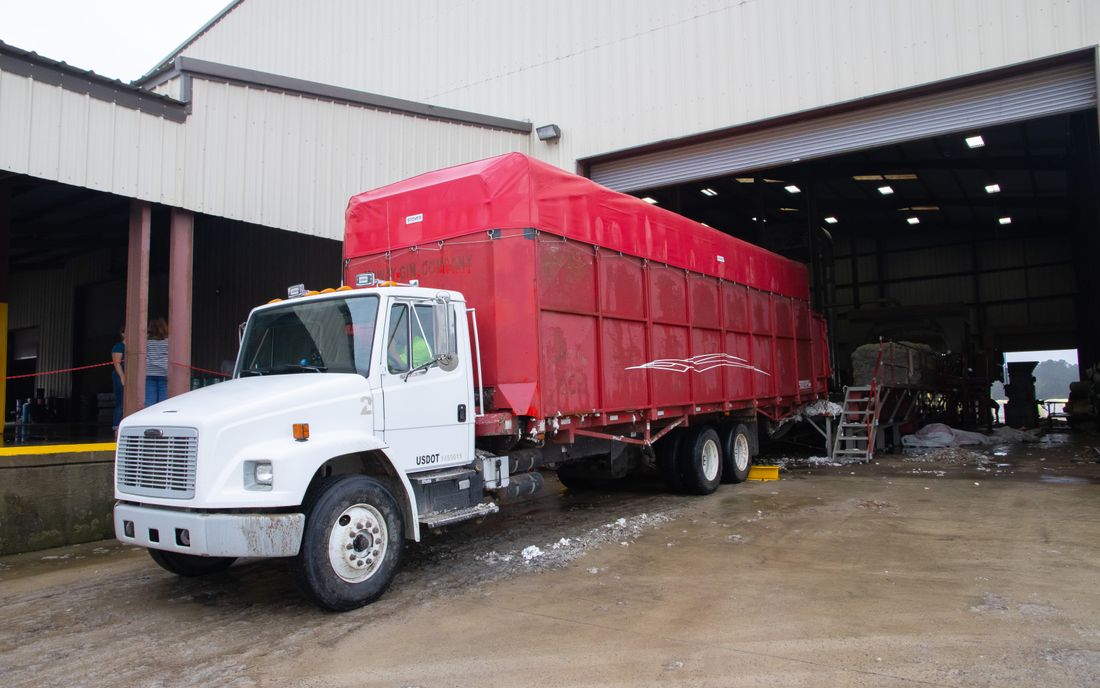
Truck seals and trailer inspection
If the seal number does not match the note or the seal is broken, stop before opening the doors, take photos and draw up a report.
When a truck pulls up to the dock, the driver hands over the delivery note and you are tempted to open the body at once and start unloading. That is when the fate of the load is decided. If the seal is broken and you open the doors without recording it, the question of any shortage usually comes back to you: "Everything was fine until the doors were opened." Checking the seal and trailer takes two or three minutes and is the simplest way to prove what happened on the road.
What a seal proves
A seal is a single-use tag fitted to the door of a trailer or container, with a unique number. The sender fits it after loading and writes the number on the delivery note. The number and the intact tag together show that the doors were not opened in transit. Seals may be plastic, cable or bolt type; the type is agreed with the carrier, but the checks are the same. The receiving side checks three things:
- the seal number matches the number on the note character for character;
- the seal is intact: not cut, not glued back, the cable or fastener not replaced;
- the seal is attached directly to the door latch, not hanging on a neighbouring hook.
A document with no seal number at all is an error too: there is nothing to check against.
When the truck arrives: step by step
- Direct the truck to its assigned dock and ask for the engine to be switched off. Take the delivery note from the driver before you go near the doors.
- Write the truck number, the driver's name and the arrival time in a log.
- While the doors are still closed, photograph the seal up close so that the number is legible.
- Compare the number with the note.
- Remove the seal in front of the driver and do not throw it away: attach it to the delivery note.
- Look over the body before you step inside.
With an established routine this takes four or five minutes and no queue builds up.
If the seal does not match or is broken
That does not mean the load is lost, but it cannot be ignored either. The procedure:
- Stop unloading and tell the responsible manager.
- Photograph the seal, the door and the note number.
- Draw up a report in the driver's presence: what was seen, when, who was there. Ask the driver to sign.
- Count the load in full at least once, not by sampling, and compare it with the note.
- Whether to accept or return the load depends on the contract terms and your manager's instructions; for legal questions, consult a lawyer.
- Notify the sender and the carrier the same day.
What to look for inside the trailer
Once the doors are open and before you touch the goods, look inside: is there water or oil on the floor, any smell or damp, any holes in the roof or walls, has the load shifted or fallen, is there foreign cargo that is not in the order? If the load needs a controlled temperature, note the reading on the instrument too. All of this is evidence for a damaged-goods report, so photograph before the load is disturbed.
Dispatch works the other way round
At dispatch you fit the seal yourself, so the responsibility is yours:
- before loading, inspect the empty trailer: clean, dry, odour-free, with no leftovers from the previous load;
- have a separate person watch the loading or check it against the loading list;
- write the seal number into the dispatch document and photograph the closed seal;
- give the driver a copy of the document and tell the consignee the number in advance.
The seals themselves also need control. Keep them locked away, account for each one by number and record who received it and when. For example, if a box of 50 seals was received (a conditional figure) and 18 have been used, 32 should remain. If there is a gap, someone has taken a numbered tag without any control.
Common mistakes
- The seal number is left off the note with a "we will add it later".
- The cut seal is thrown away and the evidence disappears.
- The driver opens the door alone, unsupervised.
- Seals lie openly in a desk drawer.
Conclusion
A seal check draws a clear line of responsibility between receiving and dispatch. During a warehouse audit, SkladKontrol looks at how receiving and dispatch are carried out, including whether seal numbers and documents agree, while a stock count helps to show at which stage a shortage appears.