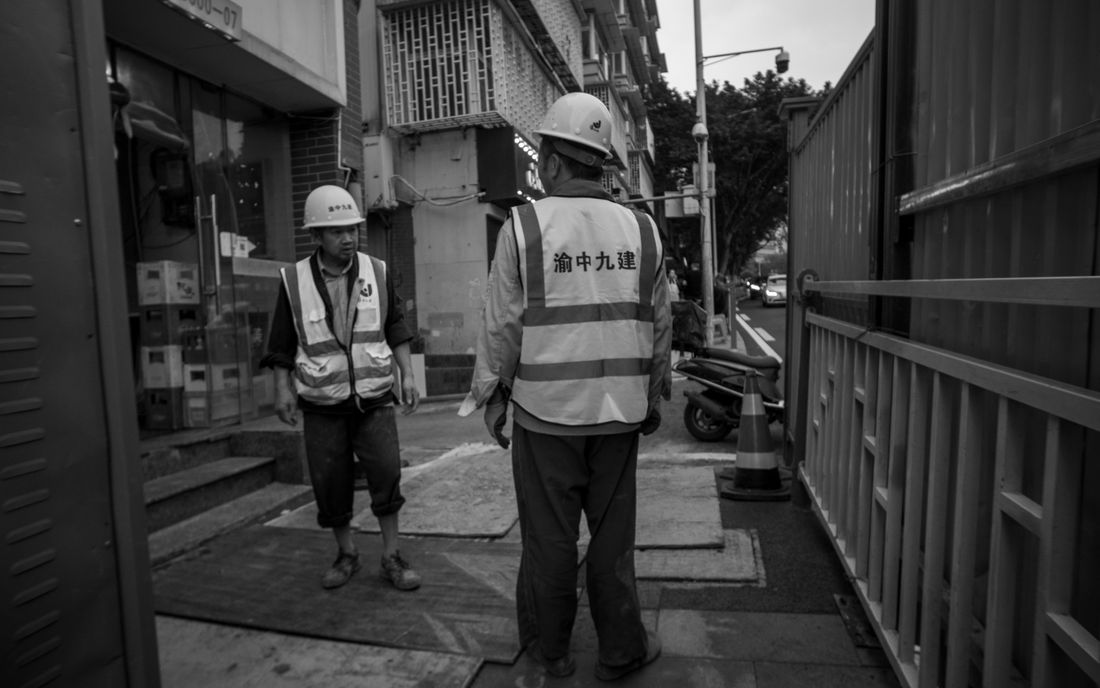
Seasonal inspection of the warehouse building
Roof leaks, floor cracks and gaps in gates quietly damage stock: inspect the building twice a year and after heavy rain.
The warehouse building is the first barrier protecting the goods: the roof, walls, floor and doors. While they work well nobody looks at them, and when they fail the damage shows up on the stock: a stain on a pallet after rain, dust through a gap in the gate, a broken trolley wheel in a cracked floor. Uzbekistan's climate is sharp: the summer is hot and dry, spring and autumn bring heavy rain and storms, and winter brings cold spells. So the building should be inspected at least twice a year and after every heavy rain or storm. It does not take long, but it cuts unexpected losses noticeably.
Roof and ceiling
Most problems show up after rain. Look for:
- stains, drips or damp patches on the ceiling;
- the areas around skylights and ventilation pipes;
- whether gutters and downpipes are clear of debris and dust;
- swollen, torn or lifted places in the roofing (seen from below and from outside the building).
Do not climb onto the roof on your own: work at height is dangerous and is done by trained specialists. If you find a leak, first move pallets away from where the water falls, then order the repair. Goods must never stand under a leak. Photograph leak spots and compare at each inspection: is the stain growing, are new spots appearing.
The floor
Look for cracks, potholes and uneven or flaking patches. A forklift or trolley wheel in a pothole can tip and drop the load; if the surface crumbles and gives off dust, the floor is wearing fast. The floor under rack uprights needs particular attention. Flatness can be checked simply: lay a long straight board on the floor and look at the gap beneath it. If you see a wide crack, settlement or heaving, do not draw conclusions yourself: call a qualified construction specialist and reduce the load on that area for the time being.
Doors, gates and the dock
Check that no gaps remain when gates are shut, that seals are intact, that doors open and close easily and that the dock edge and loading ramp work. Dust, hot or cold air, damp, insects and rodents all get in through gaps. Gaps are easy to find: close the gate, switch off the light inside and mark where daylight comes through. Door handles and locks belong to the inspection too: if they are faulty, the security of the warehouse drops.
Ventilation, drainage and wiring
Before summer, look under the roof too: hot air gathers there and affects goods on upper levels. Check that ventilation openings are not blocked, that water pipes and heating are ready for the cold before winter, and that the yard, drains and dips in the driveways are cleared before the rains. For electrics only a visual check applies: a damaged cable, a box left open, an overheated socket, traces of sparks. If you find any of that, do not fix it yourself; call an authorised electrician.
How to keep the record
Draw up a list of ten to fifteen items for the building and fill it in twice a year, before summer and in autumn, as well as after severe weather. Defects found go into a defect log: date, place, photo, grade, owner, deadline. There are three grades: dangerous (at once), urgent (within a week), planned (within a month). Walk the building in the same direction every time so that no corner is skipped, and at year end you will see which places keep recurring.
A conditional example. After rain, three leaks are found. One is above a pallet: dangerous, the goods are moved immediately. Two are above an empty aisle: urgent, roof repair within a week. One crack in the floor: planned, a specialist inspection within a month.
Common mistakes
- The pallet under a leak is covered with film but the roof is not repaired.
- Defects are mentioned aloud and not written down, and nobody owns them.
- Preparation for winter starts not in autumn but when the cold has already hit.
- The inspection stops at "good" or "bad", with no photo or deadline.
Conclusion
The condition of the building directly affects how well goods are kept. During a warehouse audit, SkladKontrol also looks at storage conditions, and in a stock count report damaged goods can be separated from quantity differences. A one-day inspection twice a year costs less than a sudden stoppage and spoiled stock.