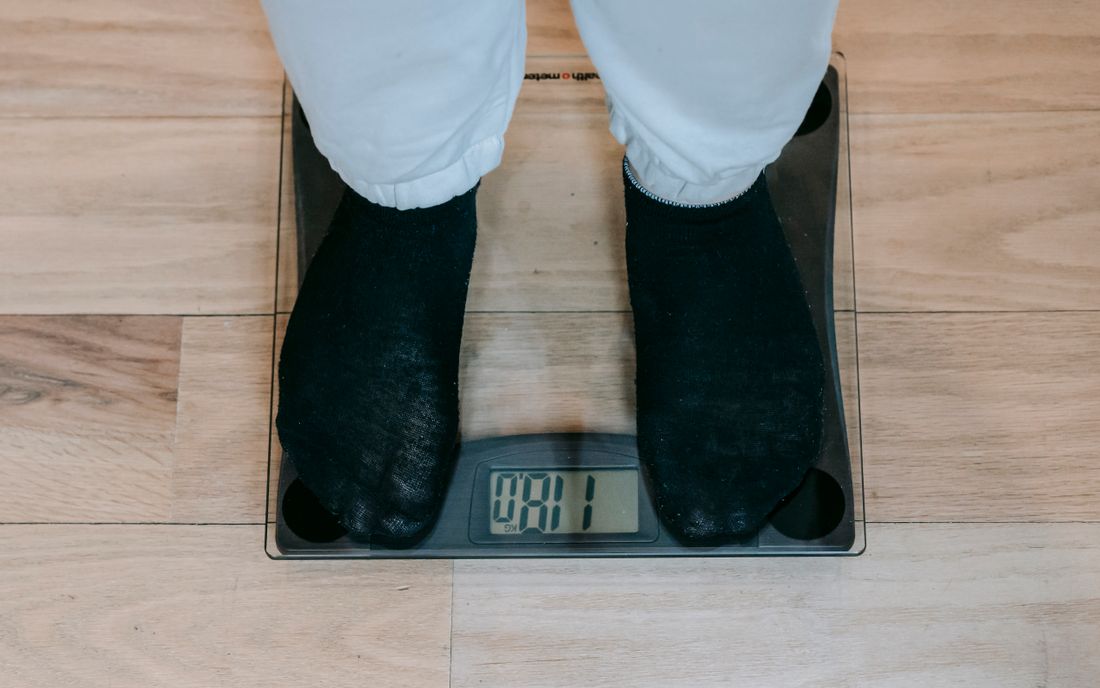
Warehouse scales: checking accuracy every day
A scale that is 1 per cent off is 100 kg out on 10 tonnes. A daily check with a check weight and a log reduces that risk.
Everyone trusts the number on a scale: it goes into the document, the supplier is paid by it, and the customer receives the goods at that weight. But a scale drifts from day to day: floor vibration, a dropped load, damp, dust and a low battery all leave their mark. A conditional calculation: if a scale is off by 1 per cent, a 10-tonne batch is out by 100 kilograms. It may be a shortage or a surplus, and in the paperwork it appears as "lost" or "newly found" stock. So the instrument should go through a short check every day.
Where a scale decides the outcome
For goods received and dispatched by weight (flour, sugar, cement, fruit, metal, chemical products) the scale directly determines the records. Beyond that, checking a pallet by its total weight, the "units = weight" method in picking and disputes where the supplier's weight differs from yours all depend on the scale. An error that looks small turns into a large sum over a year. A warehouse may have several kinds of scale: bench, platform, pallet, forklift-mounted. Give each its own log sheet and a responsible person.
The daily check
At the start of the shift a five-step check takes a few minutes:
- Make sure the scale stands on a level, hard surface, with no vibration or strong wind nearby.
- Does it show zero when empty? If not, zero it.
- Place a check weight: a known weight, kept by the warehouse itself and suited to the scale's range. Record the reading.
- Put the check weight at different points of the platform, in the centre and at a corner: the reading must not change.
- Write the result in a log: date, check weight, reading, signature.
Agree the permitted deviation from the scale's documents and with a specialist. If it is exceeded, the scale is marked "faulty" and is not used for work. If a scale has been moved or a load has dropped on it, repeat the check in the middle of the day too.
Official verification
The daily check does not replace official verification. Measuring instruments used in trade and settlements are verified by an authorised metrology service at set intervals. Ask that service which scales, at what intervals and with which documents; do not guess. Keep a copy of the verification certificate near the scale or in a folder, and note the next deadline in a calendar: a missed deadline leads to sudden stoppages and disputes.
Placement and use
A scale must stand on a level floor, not touching walls or other objects, away from vibration and wind. Do not load it beyond its range: overload ruins the sensors. Place the load near the centre of the platform and lower it gently, never drop it. After work, clear dust and spilled goods from around the platform. Be careful when moving a portable scale and check zero again afterwards. On a battery scale check the charge at the start of the shift, since readings can drift when it runs low. Damp and rain harm scales too: cover one that stands outdoors.
Scales and disputes
To convert weight into pieces, determine the average piece weight in advance and write it down. If a dispute arises, the order is this: first check your own scale with the check weight, then weigh the load twice in the driver's presence, and if possible on a second scale too. Enter the result in a report. Photograph the display and have a second employee read and confirm the recorded weight: one person can make a slip.
A conditional example. The supplier's document says 2,000 kg and your scale shows 1,960 kg. The difference is 2 per cent. Once you are sure the scale is not at fault, you weigh again and draw up a report. Without the check log, the scale itself would remain under suspicion.
Common mistakes
- The scale is never checked; it is simply believed to be working.
- Zero is not checked, and weighing is done with leftovers from the previous load.
- The scale stands on an uneven floor, in an aisle or where there is vibration.
- The official verification deadline passes and nobody notices.
Conclusion
A reliable weight is the basis of reliable records. A check weight, a log and a calendar of deadlines: these three simple things keep a scale dependable. During a warehouse audit, SkladKontrol also reviews how scales and other measuring instruments are used, along with logs and documents, and for a stock count the method of counting goods measured by weight is agreed in advance.